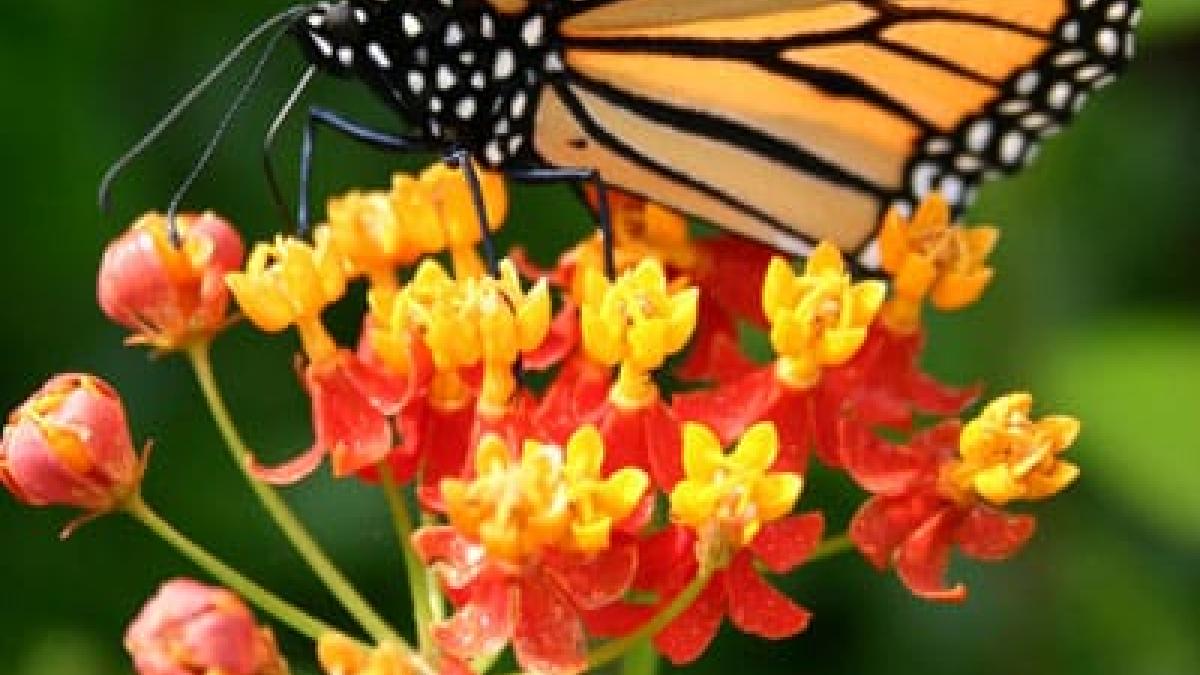
Barrie became the 30th Bee City in Canada in July 2019. A Bee City is a designation that connects people, places, and pollinators. Our commitment is to protect and create pollinator habitats, provide community education, and celebrate our pollinators. Becoming a Bee City means there will be more focus on pollinator conservation within current parks and future urban planning.
Did you know? Barrie is also certified as a Bird Friendly City.
What are Pollinators?
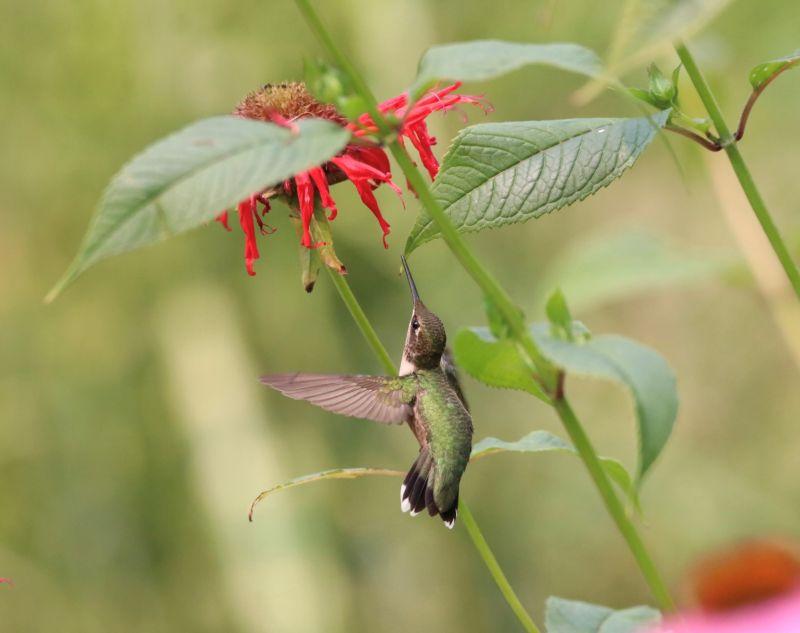
A pollinator is anything that transports pollen grains from one flower to another. This includes bees, birds, bats, butterflies, moths, flies, wasps, beetles and hummingbirds. Other animals, even people, can also act as indirect pollinators if they brush up against pollen and transport it to another flower. When a pollen grain moves from the anther (male part) of a flower to the stigma (female part), pollination happens. This is the first step in a process that produces seeds, fruits, and the next generation of plants. This can happen through self-pollination, wind, and water pollination, or through the work of animals or insects. (Source: Pollinator.org)
Canadian pollinators include more than 800 native bee species and other bugs that can be found in both rural and urbanized areas, with cities playing a key role in their survival.
Why are Pollinators Important?
Pollinators create healthy ecosystems by pollinating about 80 per cent of plants including flowers, trees, fruits, and vegetables, which provide products for people such as food, medicine, clothing, and lumber.
Research from around the world supports evidence that pollinator populations are declining. Climate change, pesticide use, habitat loss, and disease are all contributing factors.
Pollinator Initiatives
The City of Barrie has removed the use of cosmetic pesticides from our operations and has been active in creating pollinator spaces by:
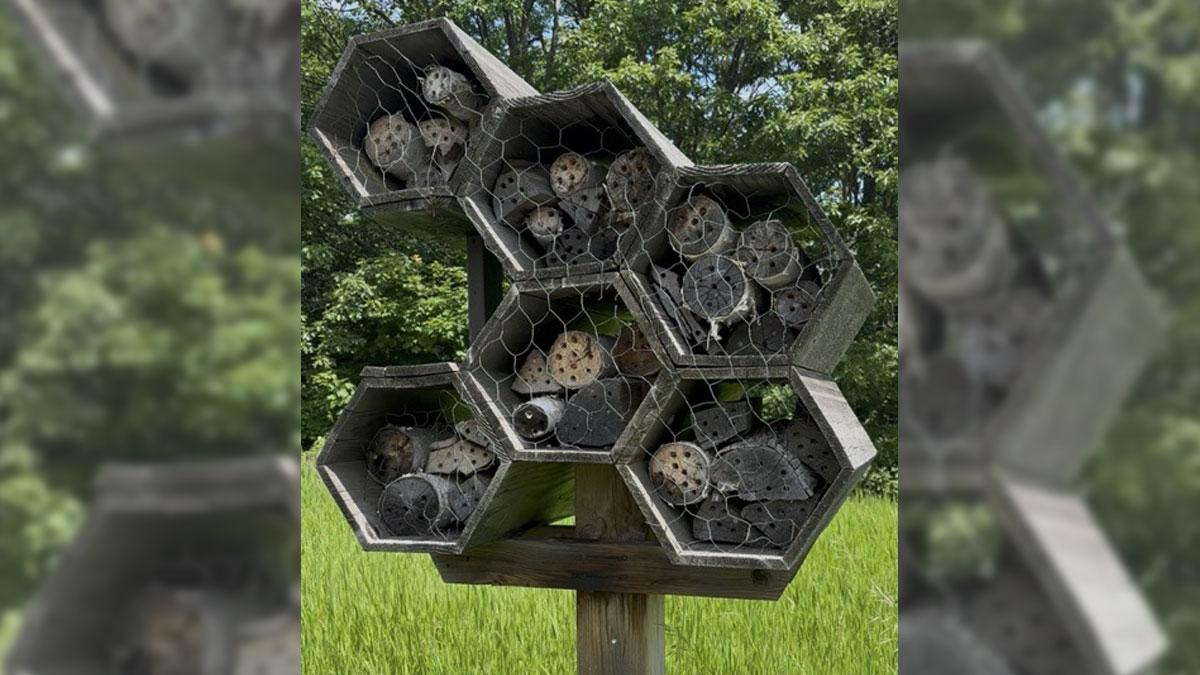
- Supporting various habitat installations such as the bee hotel at Sunnidale Park, bat boxes near Harvie Road, Tall Trees Park, and Bear Creek Eco Park.
- Installing pollinator gardens at Sunnidale Park, North Centennial entrance beds, Northshore Trail, Allandale Station Park, Hyde Park, and at the Sports Complex.
- Increasing the number of community gardens and seed boxes in our parks.
- Continuously working to increase naturalized areas within our parks.
- Recognizing Pollinator Week in June each year. It's an annual event celebrated across the world in support of pollinator health, a time to learn about the importance of pollinators and spread the word about what we can do to protect them.
- Launching the Barrie Native Plant Explorer, a database that lets you:
- Create your own biodiversity hotspot by selecting the native flowering species found in this plant database to attract more insect species, which in turn attracts greater numbers of birds and other wildlife
- Engage in citizen science by visiting the "Tools" section to share your observations of the natural world on inaturalist.org
- Build a library of plants for your reference or help others build their own
- Take a quiz to test your plant and pollinator knowledge
Make Your Yard More Pollinator-Friendly
- Visit the Barrie Native Plant Explorer a database that lets you create your own biodiversity hotspot by choosing native flowering species that attract insects, birds, and other wildlife. Explore the “Tools” section to contribute observations on iNaturalist, build or share a personalized plant library, and test your knowledge with a fun plant‑and‑pollinator quiz.
- Sow native seeds in the winter to support local biodiversity and promote the growth of native plants.
- Plant multiple pollen and nectar-producing native plants that bloom in different seasons to attract a diversity of bees and other pollinators.
- Provide nesting places by leaving bare patches of ground for native bees to build nests in soil, or leave hollow stems to attract cavity-nesting bees.
- Offer fresh water to pollinators in a shallow dish or birdbath.
- Garden without pesticides.
- Bats are important pollinators and they help spread seeds. If you want to help bats during the winter, you can build them a house. Bat houses should be 15 ft high, preferably on a post or a building, and located in full sun. Visit batweek.org for more information on how to build a bat house.
Additional Resources
- Pollinate Barrie | How to Winter Sow
- LSRCA | Native Species in the Lake Simcoe Watershed
- David Suzuki Foundation | How to Attract Pollinators
- Xerces Society | Native Plant, Seed and Services Directory
- Xerces Society | Habitat Assessment Guide for Pollinators in Yards, Gardens, and Parks
- Manitoulin-Lake Simcoe Ecoregion | Selecting Plants for Pollinators
- Seed Sitters Club | Growing Native Plants at Home
- Credit Valley Conservation | Native Plants for Pollinators
- Xerces Society |Native Plants for Pollinators and Beneficial Insects: Great Lakes
Bee Hotels
A Bee Hotel is a specific type of habitat for native bees who tunnel to build nests as opposed to building and living in a hive. Over 30% of North America’s native bee population will use a cavity to lay eggs or to overwinter. Bees will pick the easiest way to nest often choosing holes that have already been built. Barrie uses Bee Hotels, like at Sunnidale Park, to protect pollinators’ habitats and promote commitment to conservation.
Constructing a Bee Hotel
- Build a bee hotel using untreated wood and natural materials such as hollow plant stems or cardboard tubes.
- Create nesting holes of different sizes (4–10 mm wide and about 15 cm/6 inches deep) to attract a variety of native bee species.
- Place the hotel 4–5 feet off the ground in a sunny location facing east or southeast and add a roof with an overhang to keep it dry. Smaller bee hotels are often healthier for bees and easier to maintain than one large hotel.
- Similarly to other habitats, there are maintenance requirements to preserve a functional and sustainable environment for pollinators. At the end of summer, it’s important to identify blocked holes to be removed and placed in a safe area until all bees emerge. Removed sections can be replaced with new tubes drilled through logs for future bees.
Tips to Keep in Mind
- Inspect annually in late fall or early spring for mold, damages, or signs of pests.
- Keep it dry place underneath an overhang or attach to roof.
- Remove and dispose of used tubes.
- Clean the exterior by gently brushing away cobwebs, debris, and dirt.
- Provide nearby habitat by planting native flowers.
Frequently Asked Questions